Yes, but slower and less dramatically than the ads suggest. “Vitamin C can help, but I think people sometimes expect too much from it too quickly,” says board-certified dermatologist Dr. Melanie Palm. There is clinical evidence that topical vitamin C improves pigmentation and uneven skin tone, and it is most useful for mild discoloration, sun damage, and overall brightening, plus antioxidant protection against the environmental stressors that create pigment in the first place. Think in terms of months, not weeks: for an actual dark spot, Dr. Palm recommends at least 8 to 12 weeks of consistent use, and longer for spots that have been there for years.
It is a real ingredient with real effects, wrapped in a lot of overpromising. Here is what the evidence says and how to buy a bottle that actually works.
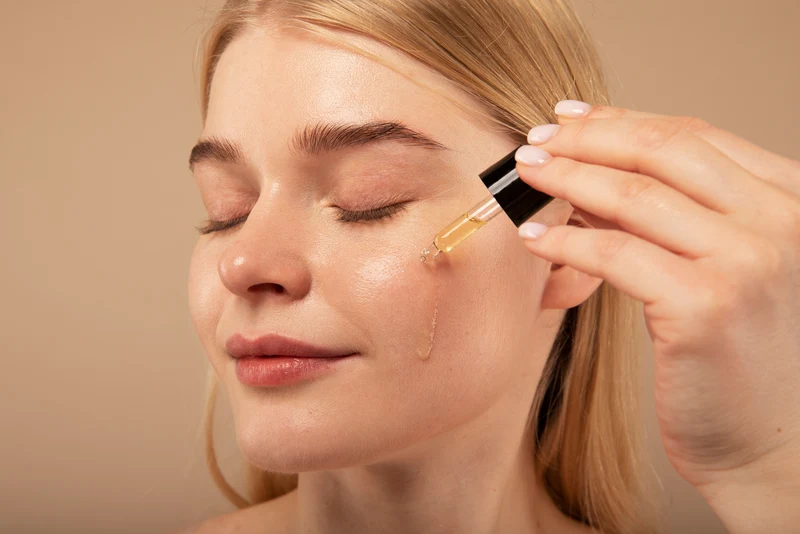
What does vitamin C actually do to skin?
Vitamin C is an antioxidant, a brightener, and a collagen supporter, and it works through two main pathways. First, it interferes with tyrosinase, an enzyme your skin uses to make melanin. It does not bleach or dissolve existing pigment; it slows down the production of excess pigment while your skin naturally turns over. That is why dark spots fade slowly, over months, rather than disappearing.
Second, it supports collagen. Reviews of clinical research report that topical vitamin C at 3 to 10 percent, used for at least 12 weeks, has been shown to decrease wrinkling, reduce protein fiber damage, decrease the apparent roughness of skin, and increase collagen production. One study found that a formulation combining 10 percent ascorbic acid with 7 percent tetrahexyldecyl ascorbate in a gel base clinically improved skin wrinkling over 12 weeks. Topical vitamin C has also been shown to reverse some age-related changes in the epidermis. A caveat from the same literature: it does not appear to work for everyone. One study found that people with high dietary vitamin C intakes showed little or no topical effect.
Dermatologists are clear about where it helps most. Dr. Palm says it shines for mild discoloration, sun damage, and overall brightening, and it helps prevent new pigment from forming while old pigment fades. In darker skin tones, where hyperpigmentation is more common and can be more stubborn, dermatologist Dr. Alexandra Bowles says vitamin C is often a reasonable part of the routine, though she would not expect it to work as quickly or dramatically as marketing suggests.

Why do dermatologists say it works best as part of a bigger plan?
Because vitamin C alone is rarely enough for serious pigment. “For something like stubborn melasma or a very established dark spot, I probably wouldn’t rely on vitamin C alone,” Dr. Palm says. “It works best as part of a bigger plan.”
That bigger plan usually starts with sunscreen, which Dr. Bowles calls non-negotiable: vitamin C’s benefits for dark spots are undermined quickly without daily UV protection, since new sun exposure keeps creating the pigment you are trying to fade. Other ingredients target pigmentation through different pathways, such as azelaic acid, tranexamic acid, or a retinoid, and can be added alongside vitamin C or used at a different time of day. If discoloration keeps getting darker or spreading despite months of consistent care, or changes in texture or shape seem unusual, both doctors recommend seeing a dermatologist to identify the type of pigmentation and whether something stronger, like hydroquinone or an in-office treatment, is appropriate.
Why is the formula so picky?
L-ascorbic acid, the pure active form of vitamin C, is famously unstable. It oxidizes readily on exposure to light and air, which is why a serum left in a clear bottle on a sunny shelf slowly turns orange and stops working. Stability, pH, concentration, and packaging all come into play, and this is one of the few categories where dermatologists say spending more can genuinely buy a better product: airless, opaque packaging and careful formulation cost the manufacturer real money. “Vitamin C can lose its effectiveness pretty quickly if it is not formulated and packaged properly,” says Dr. Saedi. Our pillar piece on are expensive skincare products worth it explains exactly when the premium is justified and when it is not.
Concentration matters, but more is not better. Dr. Palm generally likes the 10 to 20 percent range for L-ascorbic acid: “Once you start pushing beyond that, you may just end up with more irritation without getting much more benefit.” She would rather a patient use a well-formulated 10 to 15 percent serum every morning than buy a 25 percent formula that burns their skin and ends up sitting in a drawer. L-ascorbic acid is acidic and can irritate dry or sensitive skin, and Dr. Bowles is more cautious with skin prone to redness or rosacea, since higher concentrations can worsen inflammation-related pigmentation before it improves.
If the pure form stings you, gentler derivatives exist. Dr. Palm often prefers tetrahexyldecyl ascorbate, a lipid-soluble derivative that is much easier to tolerate, though the derivatives are less studied than L-ascorbic acid itself. “The best vitamin C is really the one you’re going to use consistently,” says Dr. Bowles. “If a formula makes your skin sting every morning, it doesn’t matter how impressive the ingredient list is.”
Why do the good serums pair vitamin C with vitamin E and ferulic acid?
Because the combination is more than marketing. Dr. Bowles likes formulas that also contain vitamin E and ferulic acid, since they help stabilize vitamin C and can enhance its antioxidant activity, which is part of why you see that pairing so often in well-formulated serums. Niacinamide can work well alongside it for pigmentation. The supporting cast matters, and it is one of the things separating a thoughtfully formulated serum from a bottle of ascorbic acid in water.
Layering order helps too. A light hydrator like hyaluronic acid can go underneath; a moisturizer and sunscreen go on top. Vitamin C is generally a morning product, since its antioxidant protection works alongside sunscreen during the day. If you also use retinol, most dermatologists suggest keeping the two at opposite ends of the day to avoid irritation, with vitamin C in the morning and the retinoid at night.
How long before you see results?
“I tell patients to think in terms of months, not weeks,” Dr. Palm says. You may notice skin looking a little brighter fairly early, but for an actual dark spot, give vitamin C at least 8 to 12 weeks of consistent daily use, and longer if the spot has been there for years. This is where most people go wrong: they buy a serum, use it for three weeks, declare it useless, and move on to the next bottle. The ingredient needs time because it works by slowing pigment production while your skin turns over, and skin turnover takes weeks.
Storage matters during those months. Keep the bottle away from light and heat, and if the serum turns dark orange or brown, it has oxidized and lost much of its potency. That is another argument for airless, opaque packaging.

The honest assessment: marketing claims vs evidence vs money
What the marketing claims. Vitamin C serums are sold as dark-spot erasers: brighter skin in days, faded melasma, clinical-strength results from a drugstore bottle. Before-and-after photos imply fast, dramatic transformation.
What the evidence actually says. Topical vitamin C has genuine clinical evidence behind it: improved pigmentation and uneven tone, support for collagen, and antioxidant protection. But it works by slowing melanin production over months, not by dissolving spots. It is best for mild discoloration and prevention, not stubborn or long-established pigment, and it does not work equally well for everyone. The formula has to be right: L-ascorbic acid at 10 to 20 percent, stable, in opaque airless packaging, used consistently every morning, with sunscreen on top.
Where the money incentives are. Vitamin C is cheap to source and expensive to formulate well, which creates two opposite traps: cheap bottles that oxidize before they ever touch your face, and luxury bottles that charge mostly for the jar. Dr. Jhin noted that her company’s $68 serum uses the same percentage of vitamin C as a popular $185 serum. Brands also lean on “proprietary complexes” and vague clinical language to justify premiums, and fast before-and-after marketing sells bottles to people who will not use any serum for the 12 weeks it actually needs.
The plain-words verdict. Vitamin C works, but it is a slow, modest worker, not a miracle. Buy a stable, well-packaged serum at a sensible concentration, use it every morning with sunscreen, and judge it after three months, not three weeks.
FAQ
Can vitamin C serum fade dark spots?
Yes, mild ones, slowly. Clinical evidence shows topical vitamin C improves pigmentation and uneven skin tone by slowing melanin production. Expect visible change over 8 to 12 weeks of consistent use, not days. Stubborn melasma or very established spots usually need more than vitamin C alone.
What percentage of vitamin C is best?
For L-ascorbic acid, dermatologists generally recommend 10 to 20 percent. Higher concentrations tend to add irritation without much extra benefit. A well-formulated 10 to 15 percent serum used daily beats a harsh 25 percent formula you abandon.
Can I use vitamin C with retinol?
Yes, but most dermatologists suggest separating them: vitamin C in the morning, retinol at night. Both are actives, and layering them together increases the chance of irritation.
Why did my vitamin C serum turn orange?
It oxidized. L-ascorbic acid degrades on exposure to light and air, turning orange or brown as it loses potency. Store it away from light and heat, choose opaque airless packaging, and replace a serum that has changed color.
Is vitamin C serum safe for sensitive skin?
It can be irritating, especially the pure L-ascorbic acid form at higher concentrations. If your skin is reactive or prone to redness, consider a gentler derivative like tetrahexyldecyl ascorbate, start with a lower concentration, and introduce it gradually. If irritation persists, stop and talk to a dermatologist.
Disclaimer: This article is general information only, not medical advice. Skincare affects everyone differently, so talk to a qualified professional, such as a dermatologist, about personal health decisions.