No. When Parade asked seven board-certified dermatologists whether expensive skincare works better than drugstore products, none of them said price tells you much about whether a product will deliver. “No, price is not an indicator of efficacy,” said Dr. Sejal Shah. What matters is the formula: which active ingredient is in the bottle, whether the concentration is high enough to work, whether the formula stays stable, whether it suits your skin type, and whether you will keep using it. A simple, well-designed routine with proven ingredients can outperform an expensive ten-step routine, said Dr. Whitney Hovenic.
So the honest answer is mostly no, with a few narrow exceptions where spending more genuinely changes the outcome. Here is what the evidence says, where the money actually goes, and how to judge any product by its label instead of its price.
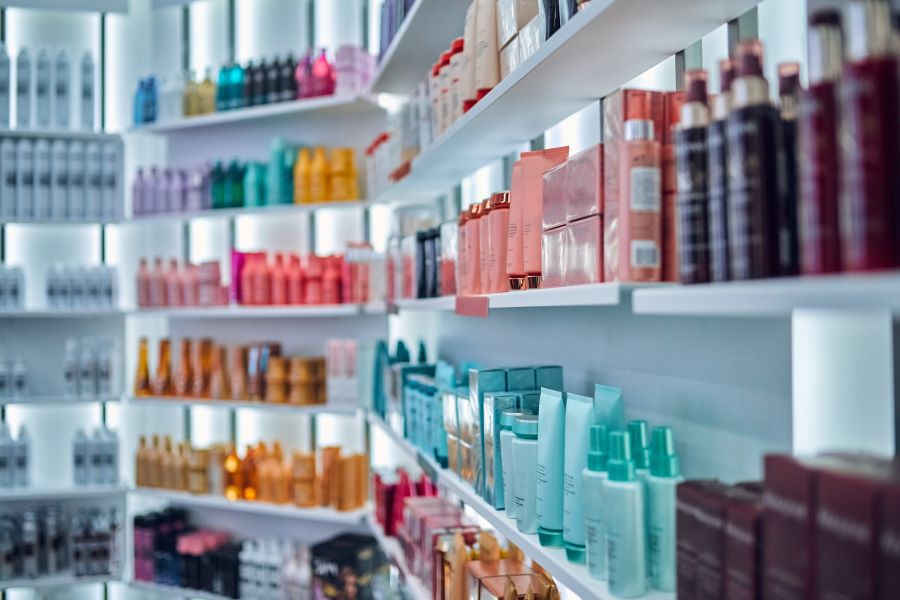
What are you actually paying for with luxury skincare?
Part of what you pay for is the experience, and the dermatologists do not pretend otherwise. Dr. Nazanin Saedi told Parade it can be both: you are paying for ingredients and for the pleasure of the product. In the skincare world that pleasure has a name, “cosmetic elegance”: a gorgeous bottle, a luxe scent, a texture that glides on like silk. Dr. Alicia Zalka says luxury formulas often feel silkier or richer and come with appealing scents and alluring packaging.
Dr. Shah put the shopping math bluntly: in many categories you are mostly paying for packaging, fragrance, texture, branding, retail markup, and the overall experience, not a stronger active. A cheaper product can contain the exact same actives.
That does not mean every expensive product is fluff. Dr. Danny Guo points out that a steep price can signal two very different things: sometimes it reflects solid scientific research, which justifies the cost, and sometimes it is mostly marketing. Big brands with deep pockets can fund research and clinical studies, which Dr. Zalka says can lead to real innovation. Dr. Anetta Reszko adds higher-quality raw materials, more advanced formulation technology, and more thorough stability testing to the list of things you might be paying for. As Dr. Guo puts it, there are products of all price ranges that work.
Why do the same ingredients cost so much in one product and so little in another?
Because you are not mainly paying for the ingredient. Nearly every well-evidenced skincare active is decades old and out of patent: retinol, salicylic acid, benzoyl peroxide, azelaic acid, niacinamide, glycolic acid, urea, glycerin, and ceramides are traded as bulk raw materials. A luxury house and a supermarket own label buy from the same kind of supplier at broadly the same kind of price, and in a typical face cream the actives make up a very small fraction of what is in the pot. That comes from Dr. Sam Ellis’s guide on the topic, which lays out the economics plainly.
The rest of the money goes toward things that have nothing to do with your skin barrier: heavy glass jars, a fragrance developed by a perfumery house, photography, sampling, counter staff, department store margin, and a brand story. None of that is dishonest, and some of it is genuinely pleasant. It is worth naming clearly because the industry rarely does.
The useful consequence is that a product’s price tells you almost nothing about whether it will work. You have to look at the label instead.

Which categories are worth the splurge?
The experts agree that if you have wiggle room in your budget, you should spend it where formulation changes the outcome. Three spots earn that distinction.
Vitamin C serums. Vitamin C tops nearly every dermatologist list of ingredients worth splurging on. L-ascorbic acid, the pure form, is famously finicky: stability, pH, concentration, packaging, and oxidation all come into play, Dr. Shah explains. “Vitamin C can lose its effectiveness pretty quickly if it is not formulated and packaged properly,” said Dr. Saedi. “This is an ingredient where spending more money can often get you a more stable and longer lasting product.” The price premium here buys airtight, opaque packaging and careful formulation, not a fancier ingredient. For more on what vitamin C can realistically do, see whether vitamin C serums live up to the hype.
Retinoids. More sophisticated over-the-counter retinol and retinal formulas can improve stability and cut down on irritation, according to Dr. Hovenic, though plenty of affordable retinols work well too. Dr. Reszko also puts peptide serums, growth factor products, and pigment-correcting formulas on the splurge list, since leave-on treatments stay in contact with your skin all day. Curious about the breakouts retinoids cause at first? Read how to tell retinol purging from irritation.
The one you will actually use. Dr. Zalka’s number one rule is the simplest of all: “First, splurge on what you will actually use.” If an expensive product makes you feel great, you are more inclined to use it daily, and consistency beats a technically superior product you abandon in a fortnight. Sunscreen is the clearest example: a pricier formula with a texture you will actually reapply is worth more than a cheap one that sits in the cupboard. Similarly, hyaluronic acid is a commodity ingredient sold at luxury markups, yet application matters more than price, which is why hyaluronic acid can backfire if you use it wrong.
Dr. Saedi’s rule ties it together: spend more only when a product is backed by strong clinical testing and a formula shown to deliver results.
Which categories are fine to buy at the drugstore?
Cleansers. This is the easiest place to save. A cleanser sits on your face for maybe 30 seconds before you rinse it away, which is why Dr. Zalka tells her patients to go budget here. Dr. Marie Jhin agrees: the goal is simply to remove sunscreen, makeup, oil, and debris without leaving the skin tight or irritated. An expensive cleanser cannot do more in thirty seconds than a cheap gentle one.
Basic moisturizers. Barrier-repair moisturizers are another drugstore win. Dr. Reszko recommends looking for ceramides, glycerin, hyaluronic acid, or petrolatum, all of which show up in plenty of affordable formulas. Many budget brands have spent years perfecting formulas for sensitive, dry, or acne-prone skin, Dr. Hovenic adds.
Sunscreen. Dr. Shah puts sunscreen firmly in the save column: “When it comes to sunscreen, a higher price does not necessarily mean more effective protection.” Her priorities are a broad-spectrum SPF of at least 30, applied generously and reapplied regularly.
One more thing worth knowing: “medical-grade” skincare is not a real category. “Medical grade skincare is not a real thing,” Dr. Guo told Parade. “It is a marketing term.” In the U.S., there is no regulatory category that sits above over-the-counter skincare; products are regulated based on their intended use and the claims they make. The real step up is prescription skincare, which can contain different actives or higher concentrations than anything on a store shelf, but that requires a professional’s guidance.
How do you read an ingredients list to spot the truth?
Ingredients are listed in descending order of concentration, down to one percent. Below one percent, manufacturers can list them in any order they like. That single rule gives you a practical trick, sometimes called the waterline: find an ingredient that is almost always used at well under one percent, and treat it as a rough marker. Preservatives such as phenoxyethanol, sodium benzoate, or potassium sorbate, plus fragrance and colorants listed as CI numbers, are the usual markers. Anything appearing after those is present in a small amount. If a product is advertised on its vitamin C content but ascorbic acid appears after the fragrance near the bottom of a long list, you have your answer. If niacinamide appears in the top five, there is probably a meaningful amount in there.
Watch out for “fairy dusting”: an ingredient present at a trace level is there for the label, not for your face. Also be skeptical of mysterious buzzwords. Dr. Jhin warns shoppers to be cautious about paying a premium for vague “proprietary complexes” without knowing what they contain, why they are included, or what results they can realistically deliver. A front-of-pack claim about a proprietary complex often resolves, on the back, to glycerin and a plant extract. The back of the pack is a legal list, and it follows the same rules for a five-dollar cream and a hundred-dollar one.
The honest assessment: marketing claims vs evidence vs money
What the marketing claims. Pricier means more effective. “Medical-grade” means a level above drugstore. Proprietary complexes and “clinically proven” language imply rigorous science. Luxury packaging implies luxury results.
What the evidence actually says. Seven dermatologists agree: price is not an indicator of efficacy. The actives that do the real work are off-patent commodities; what decides whether a product works is the active, its concentration, the formulation carrying it, and whether you use it every day. Paying more is genuinely defensible in narrow cases: airless, opaque packaging for unstable actives like retinol and L-ascorbic acid; a texture you will tolerate every single day; and short, fragrance-free formulas for reactive skin. Everywhere else, the drugstore does the same job for a fraction of the money.
Where the money incentives are. A luxury price mostly funds packaging, fragrance, marketing, retail margin, and counter staff. Brands need fat margins to pay for department store placement and influencer hype. “Medical-grade” and “proprietary complex” have no fixed legal meaning, so they are free for marketers to use. Meanwhile, prescription products, which are genuinely stronger, are sold through clinics, not marketed as cosmetics.
The plain-words verdict. For most products, expensive skincare is not better. Buy the cheap basics: a gentle cleanser, a plain moisturizer, a broad-spectrum SPF 30 you will reapply. Save your money for the few places where formulation changes the outcome, and judge every product by its label, not its price.
FAQ
Is drugstore skincare safe for sensitive skin?
Yes, often more so than luxury products. Fragrance is the most common cause of cosmetic contact allergy, and it appears in expensive products just as readily as cheap ones. Many budget brands have spent years perfecting formulas for sensitive, dry, or acne-prone skin. For reactive skin, a short ingredients list with no fragrance matters far more than a long receipt.
What is the single most important skincare purchase?
Daily sunscreen. Dr. Guo even ranks the basics: sunscreen first, then moisturizer, then cleanser. After that, add a vitamin C serum and a retinoid. “The rest is extra.” The best sunscreen is the one you will genuinely apply and reapply every day, whatever it costs.
Does a higher SPF or higher concentration always mean better?
No. SPF beyond 30 adds diminishing returns if you do not apply enough or reapply. With vitamin C, Dr. Palm says the 10 to 20 percent range is the sweet spot for L-ascorbic acid; pushing beyond that tends to bring more irritation without much more benefit. Higher numbers sell products; they do not automatically improve skin.
Are “clinical trials” on skincare packaging trustworthy?
Treat them with skepticism. Phrases like “proven in trials” and “up to 90 percent of users agreed” have no fixed legal meaning. Ask the useful question: proven to do what, in how many people, compared with what? A real clinical study is very different from a consumer perception survey of 50 people given free product.
How many products do I actually need?
Fewer than the industry wants you to buy. Dr. Hovenic: “The goal should never be to have the most products on your bathroom counter. The goal is to have the fewest products necessary to protect your skin, support the skin barrier, and effectively address your individual concerns.” For most people: sunscreen, a plain moisturizer, and one active chosen for their actual concern.
Disclaimer: This article is general information only, not medical advice. Skincare affects everyone differently, so talk to a qualified professional, such as a dermatologist, about personal health decisions.